

Release time:2026.08.06 Page View: 157
To strictly implement the requirements of the International Ship and Port Facility Security (ISPS) Code and comprehensively strengthen security management capabilities in international port areas, PT Bintan Alumina Indonesia recently organized a specialized training program on international port facility security. The training was attended by on-duty management personnel, frontline operational staff, and security personnel, covering key positions responsible for access control, patrol and inspection, and emergency response.
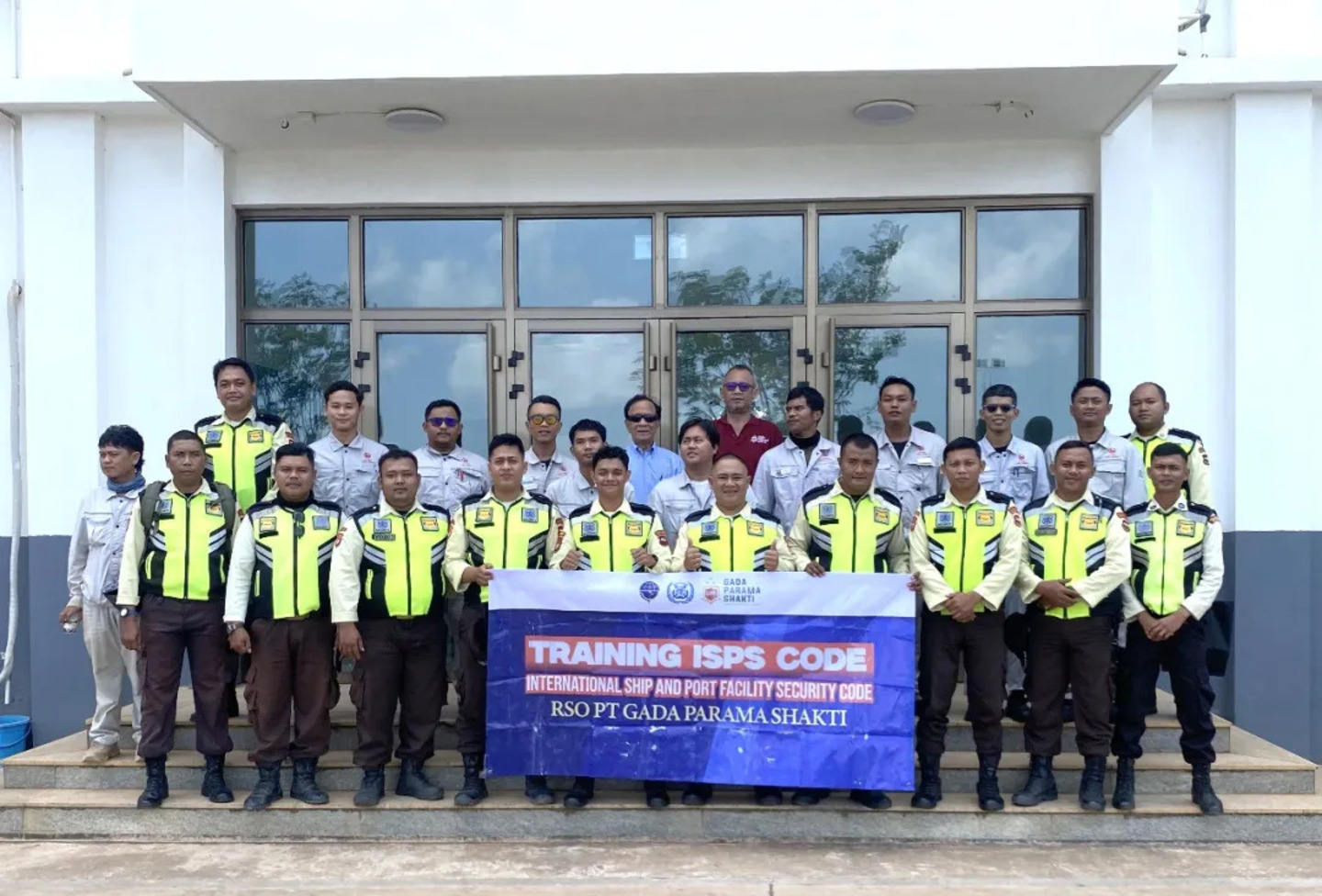
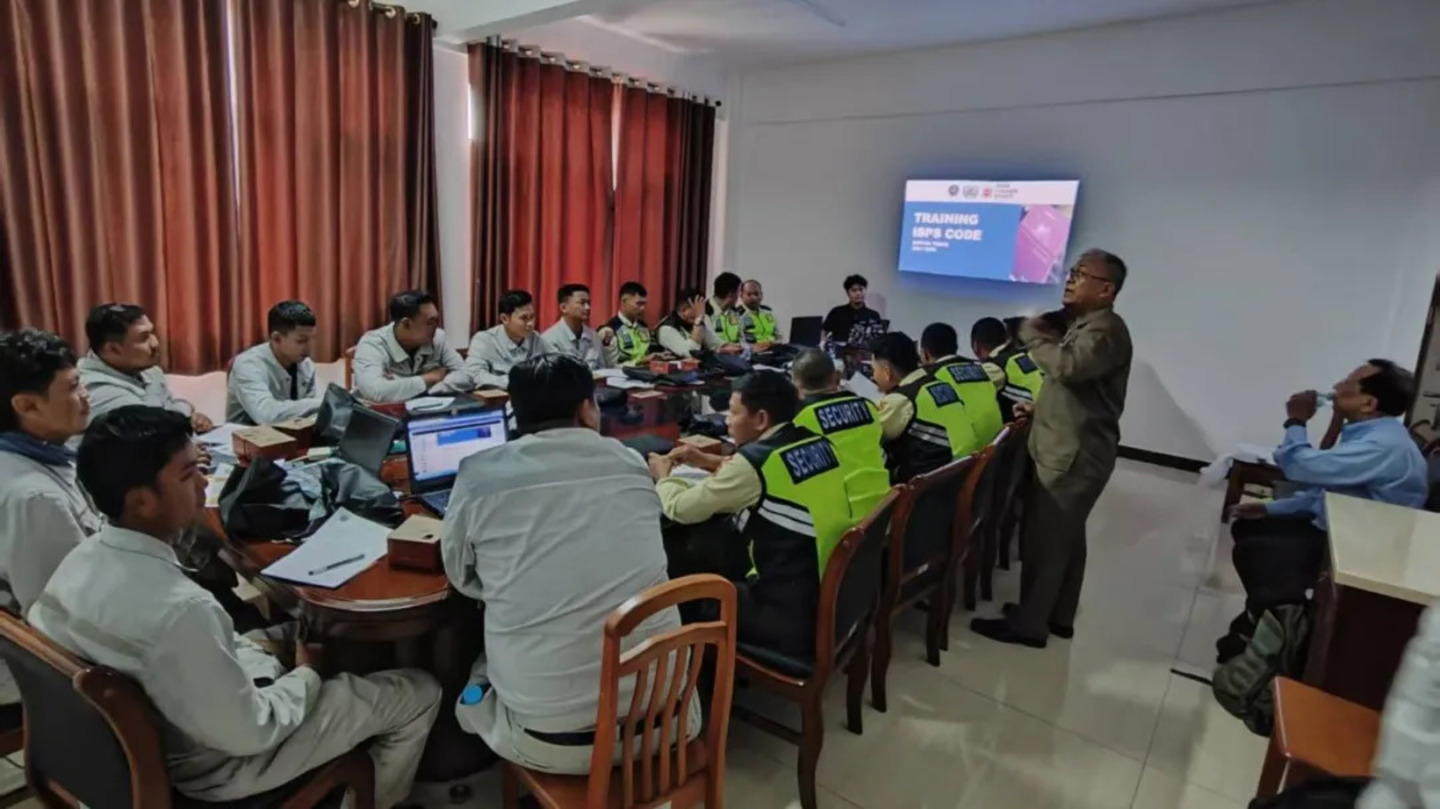
The training focused on the core requirements of the ISPS Code and provided systematic instruction on topics including dynamic management of port security levels, security coordination for international vessels during port operations, closed-access control at port entry points, patrol and inspection of critical areas, identification and screening of suspicious persons and objects, counter-terrorism and emergency response procedures, and proactive prevention of international security risks. Combining theoretical instruction with practical case studies, the program analyzed typical port security incidents and examined common safety hazards and operational shortcomings encountered in daily management, enabling participants to identify and address gaps in relation to their respective responsibilities. Scenario-based exercises were also incorporated, simulating high-frequency emergency situations such as unauthorized entry into restricted areas and the discovery of suspicious objects. These exercises enabled participants to master the standardized emergency response process of "Detection – Reporting – Assessment – Response – Review," ensuring they could apply the procedures proficiently in practice.
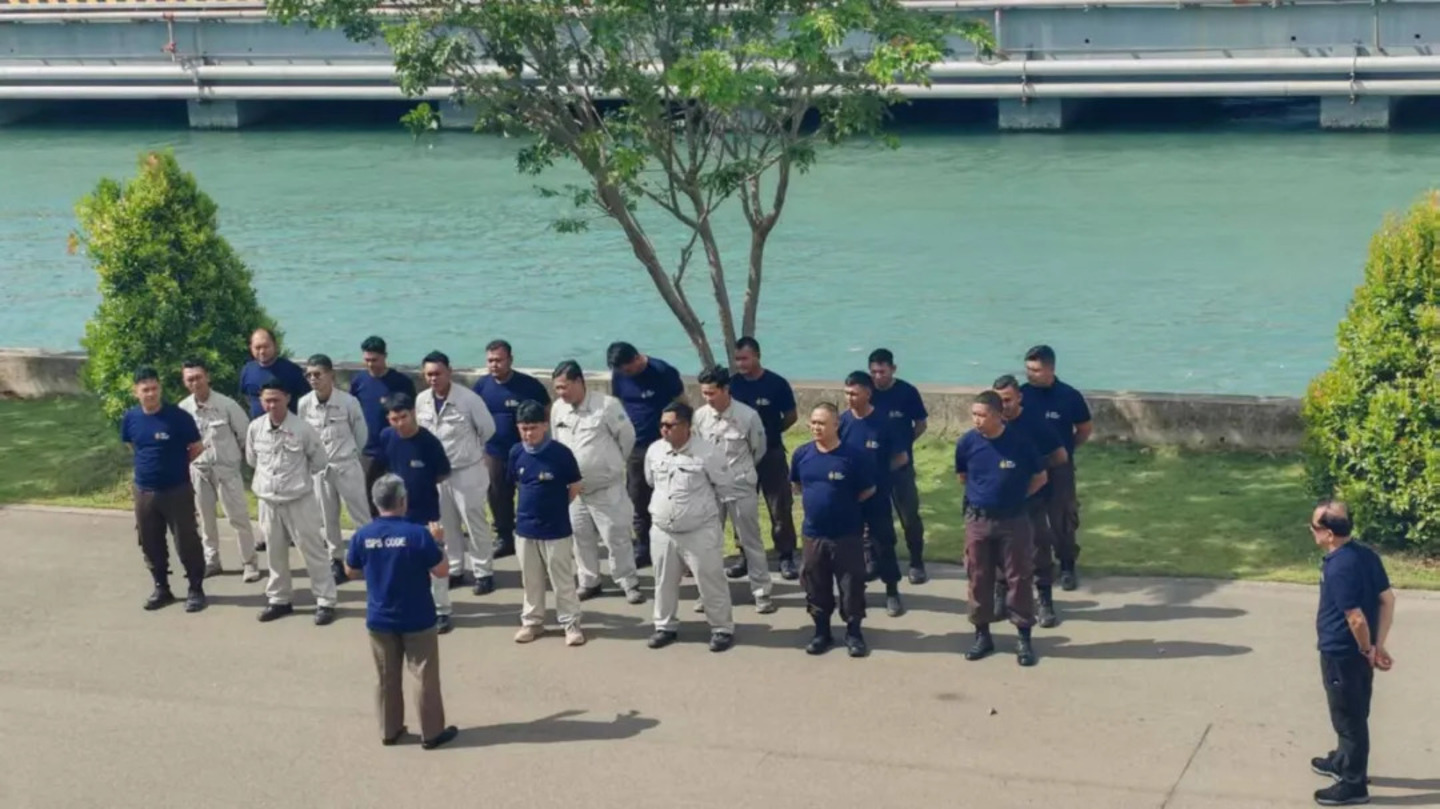
Through this training, security responsibilities at all organizational levels were further reinforced, management boundaries and coordination mechanisms became more clearly defined, and the port's capability to respond to international security incidents was further enhanced. Going forward, the port will use this training as an opportunity to continuously improve its regular training and emergency drill programs, conduct periodic specialized assessments and safety hazard inspections, dynamically update risk response plans, and implement precise risk prevention and closed-loop management. These efforts will further strengthen the security and stability of the international port area and provide a solid safety guarantee for the operations of international vessels.




 Address:Kawasan Ekonomi Khusus (KEK) Galang Batang, Kampung Galang Batang,Desa Gunung Kijang RT 006 RW 003, Kecamatan Gunung Kijang,Kabupaten Bintan, Provinsi Kepulauan Riau, Indonesia
 Phone:
 E-mail:nslyynxmb@nanshan.com.cn