
Release time:2026.07.15 Page View: 216
To strengthen safety production management for international projects, standardize emergency response procedures, and enhance the practical capabilities of joint emergency rescue, the Alumina Refinery recently organized a joint electrical shock emergency response drill involving both Chinese and Indonesian employees. Guided by the principles of "unified standards, full participation, and improving combat readiness through practical drills," the exercise focused on standardizing the entire emergency response process, including incident reporting, power isolation, rescue operations, first aid, and hazard elimination, with the aim of improving coordination and addressing operational gaps.
Prior to the drill, the refinery conducted a bilingual safety briefing and training session for both Chinese and Indonesian employees. Instructors provided detailed explanations in both Chinese and Indonesian on electrical safety requirements, the causes and risks of electrical shock accidents, and demonstrated the proper use of insulated tools, emergency power isolation procedures, victim assessment, and cardiopulmonary resuscitation (CPR). The team also standardized international emergency hand signals, command terminology, and role assignments to ensure that all participants were proficient in the standardized emergency response procedures, enabling the drill to be carried out efficiently and effectively.
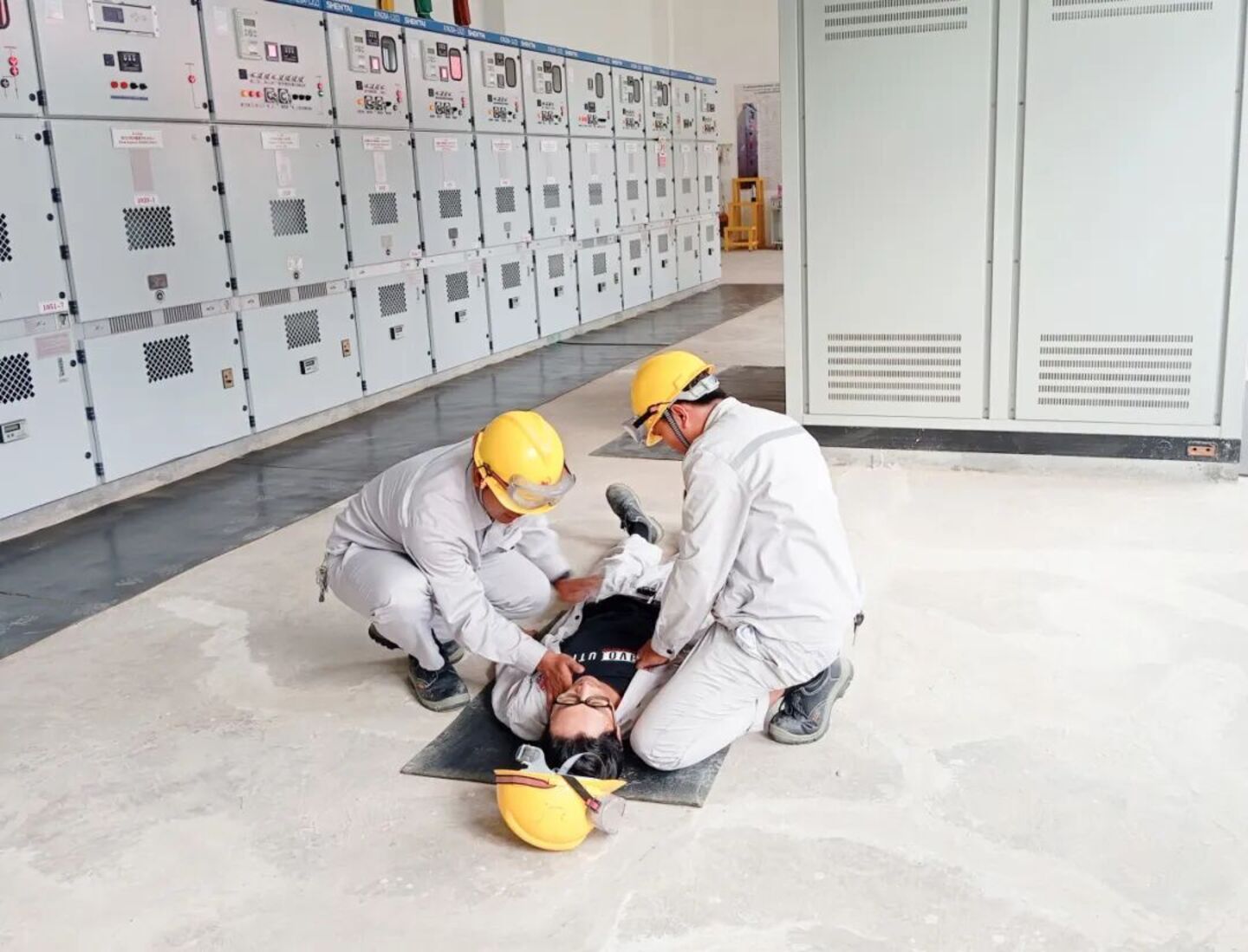
The drill simulated an electrical shock incident at a worksite in which a worker lost consciousness. Team members immediately identified the emergency and activated the standardized emergency response mechanism without delay. In accordance with the principle of "disconnect the power before rescuing the victim," the safety personnel promptly used insulated tools to safely isolate the power supply, effectively eliminating the risk of secondary electrical shock.
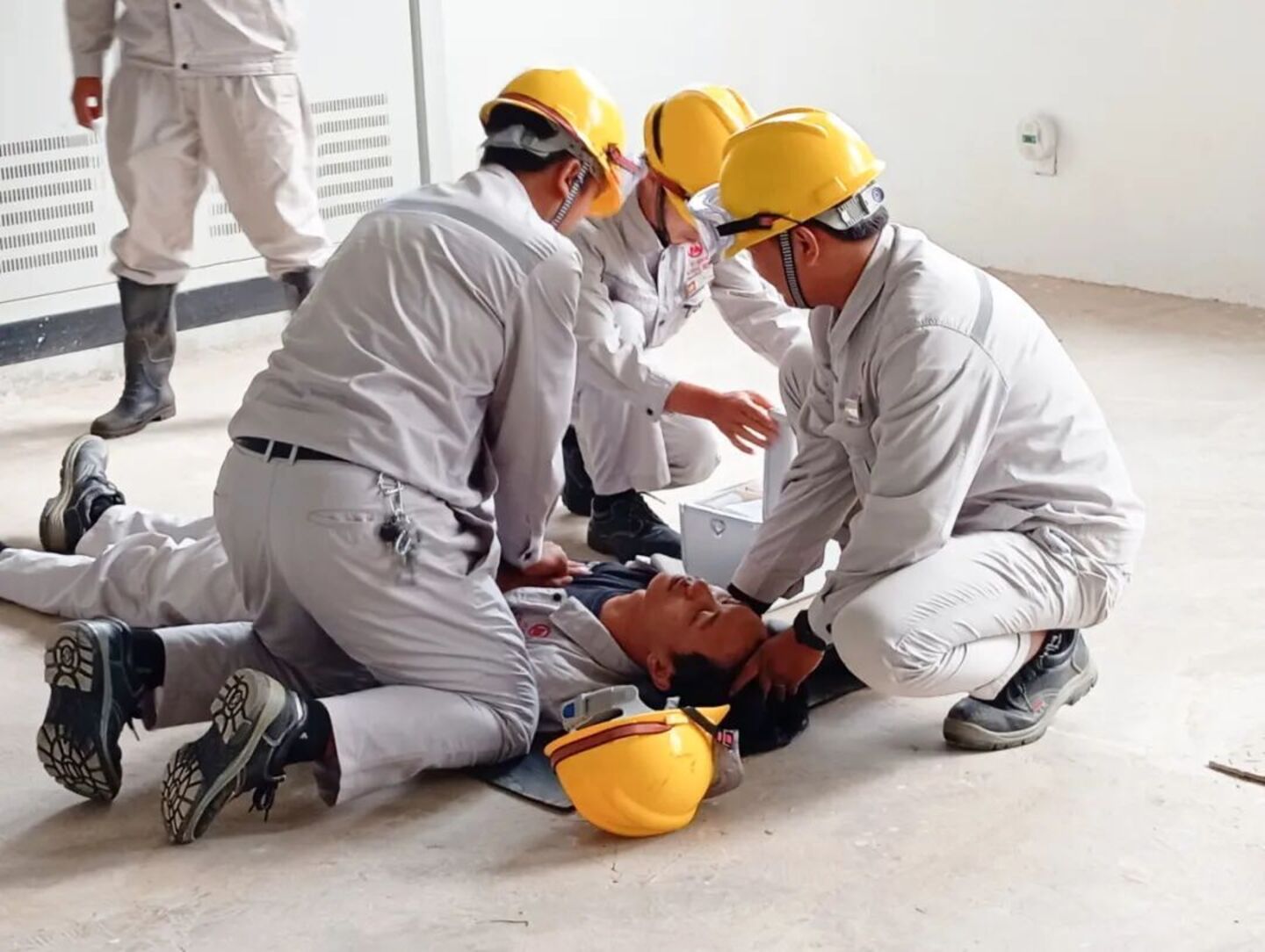
Once the power had been disconnected, the joint emergency response team immediately took action. The Chinese employees were responsible for securing the site, evacuating personnel, and reporting the incident, while the Indonesian employees assisted in assessing the victim's consciousness, checking breathing, and positioning the victim appropriately. With clearly defined responsibilities and close coordination, both teams carried out standardized CPR procedures, including chest compressions and rescue breathing, successfully completing the simulated rescue operation. Following the emergency response, the joint team conducted an on-site inspection of the simulated work area, identified issues such as exposed wiring and inadequate protective measures, and implemented corrective actions to eliminate potential safety hazards.
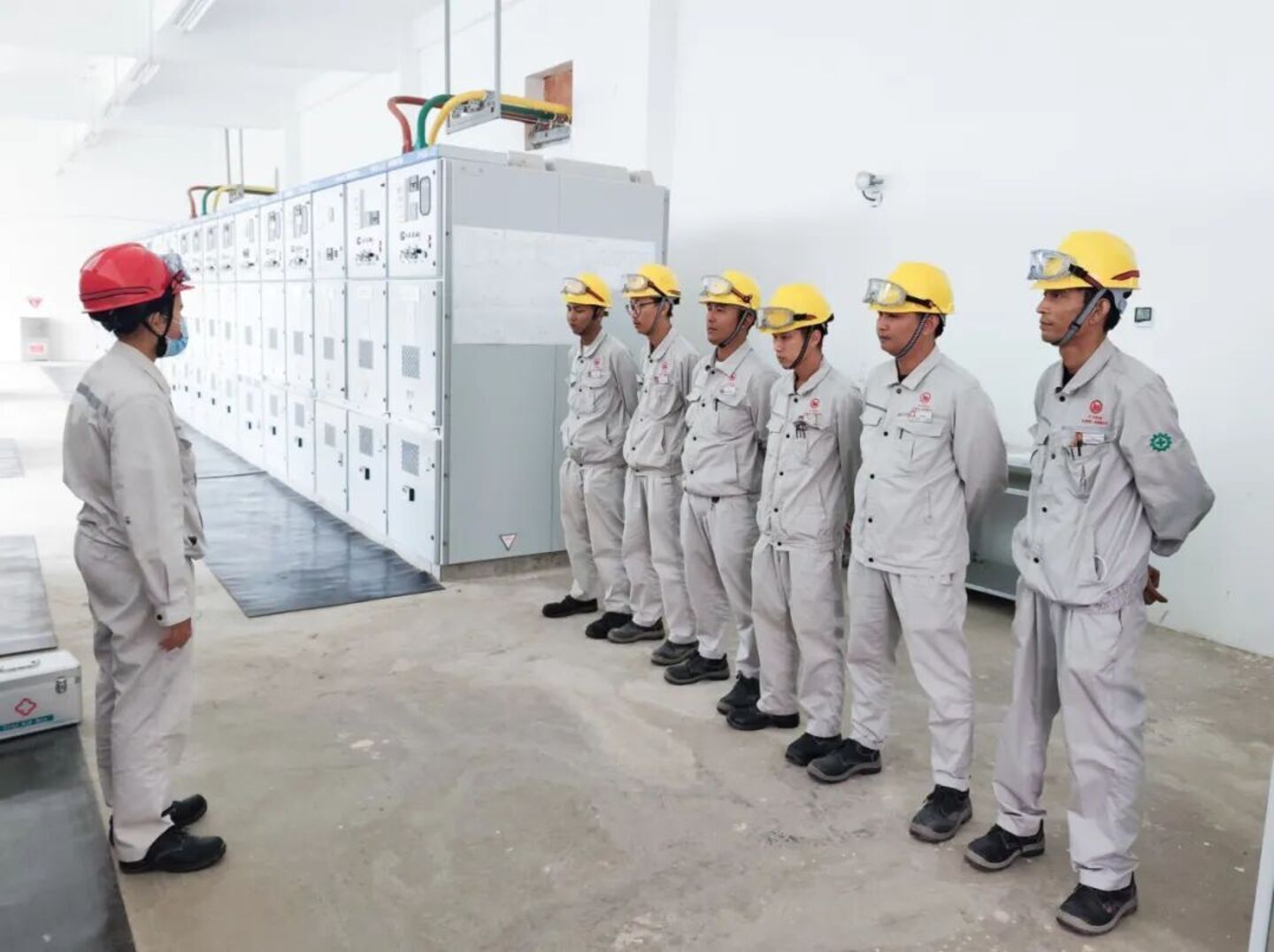
After the exercise, management organized a comprehensive debriefing with all participants. The team acknowledged the prompt response and effective collaboration demonstrated by both Chinese and Indonesian employees, while also providing recommendations to further improve bilingual coordination, emergency response efficiency, and adherence to operational procedures, thereby reinforcing standardized emergency response practices.
The exercise effectively validated the practicality and operability of the emergency response plan, standardized emergency response procedures for both Chinese and Indonesian employees, and strengthened the team's collaborative rescue capabilities. Going forward, the refinery will continue to conduct regular safety drills and bilingual training programs, further strengthen its safety management system, and support the safe and orderly operation of the project through standardized and systematic safety management.




 Address:Kawasan Ekonomi Khusus (KEK) Galang Batang, Kampung Galang Batang,Desa Gunung Kijang RT 006 RW 003, Kecamatan Gunung Kijang,Kabupaten Bintan, Provinsi Kepulauan Riau, Indonesia
 Phone:
 E-mail:nslyynxmb@nanshan.com.cn