


Release time:2026.09.21 Page View: 46
The sea breeze, carrying the moist scent of the tide, sweeps across the coast of Bintan. Inside the central control room of the power plant, several technical specialists gather around the control screens, their eyes fixed on a set of flue gas temperature curves—the curves stretch smoothly and remain steadily within the allowable design temperature range.
“Due to fluctuations in coal quality and operating conditions, the flue gas temperature was once higher than the design value, indicating that there was still room to improve boiler efficiency.” A workshop technician points to the screen and explains, “We installed steam soot blowers on the economizers, which significantly reduced the flue gas temperature. The annual savings from the six boilers are quite substantial—these are real, tangible benefits!”
Green development is a defining feature of high-quality development; practical action is the solid foundation that enables an enterprise to develop steadily and sustainably. All along, the power plant has focused on three key areas—technical upgrades and innovation, energy and consumption reduction with efficiency improvement, and refined management and control—pursuing green development and unlocking internal potential, while delivering a “combination punch” of benefit-enhancing initiatives to strengthen the energy security foundation for the industrial park’s “stable supply assurance and strong support.”
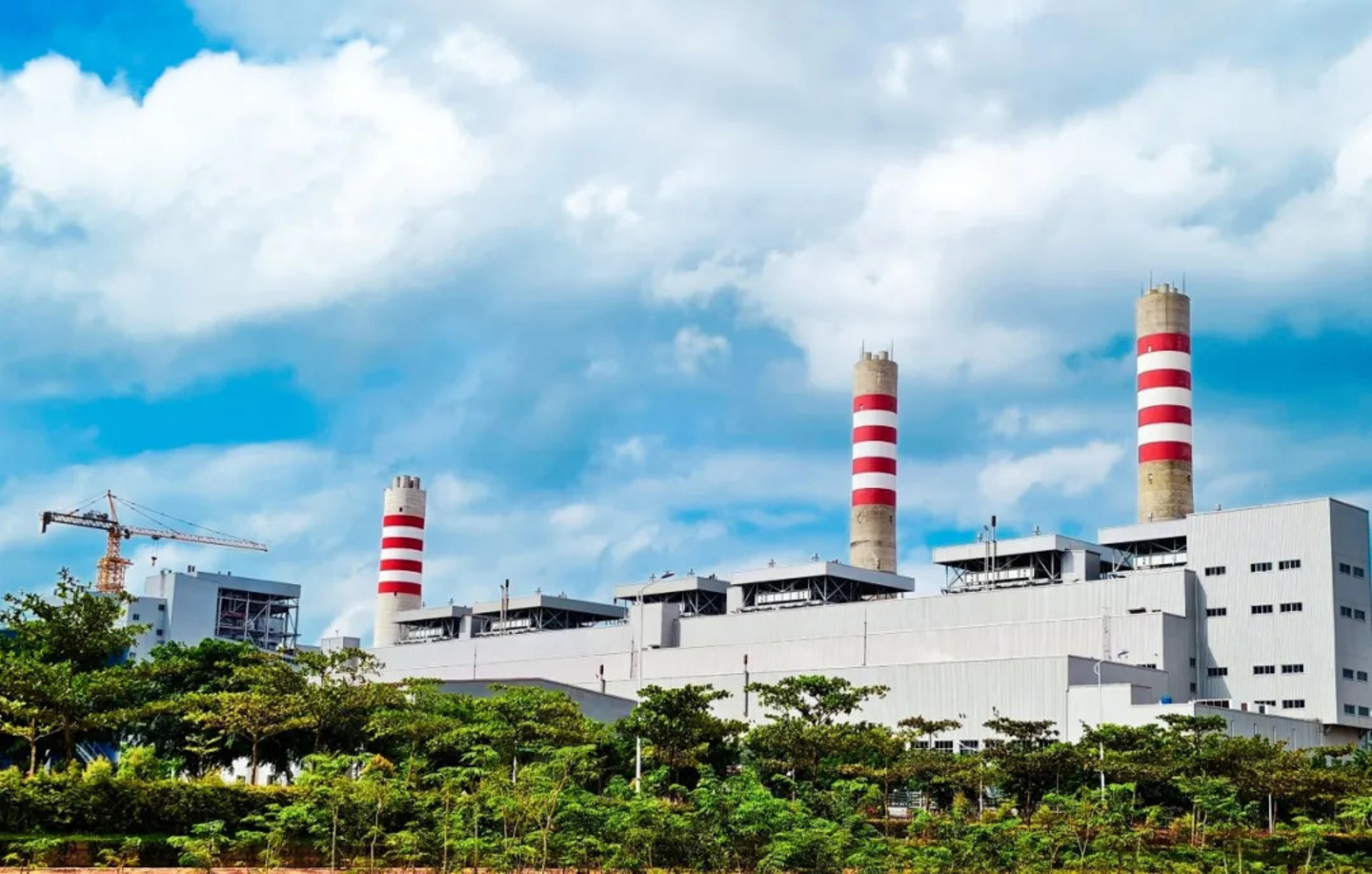
Technical Upgrades Generate Benefits, Continuously Boosting Equipment Efficiency
Entering the boiler workshop maintenance area, several maintenance personnel are conducting routine inspections of the economizer steam soot-blowing equipment, carefully checking every part of the steam supply piping and valve assemblies without overlooking any detail.
Before the technical upgrade, the flue gas temperature curves were far from being as “well-behaved” as they are today—the flue gas temperatures of the six boilers were once significantly higher than the design value. For every 1°C increase in temperature, more heat would escape uselessly through the chimney, resulting in lower benefits. “If the temperature does not come down, coal consumption will be difficult to reduce and efficiency difficult to improve. No matter how you calculate it, the figures simply do not add up,” a technician said. “Everyone was determined to tackle this tough problem and get to the bottom of it.”
With the problem clearly identified, everyone refused to wait or rely on others and instead worked diligently to “diagnose” the boilers. They reviewed the operating curves screen by screen, compared the design drawings page by page, contacted the design institute to conduct new thermal calculation analyses, and coordinated with the pulverizing system equipment manufacturer and air preheater manufacturer to carry out comprehensive verification and recalculation. After systematically investigating every detail, they finally identified the “root cause”: long-term ash accumulation in the economizers increased thermal resistance and weakened the heat absorption capacity of the heating surfaces, resulting in poorer flue gas cooling and higher flue gas temperatures. Once the cause was identified, the solution followed: steam soot blowers were installed on the economizers of all six boilers, with scheduled soot blowing to remove accumulated ash and allow the heating surfaces to operate more efficiently. Once the “bottleneck” was cleared, the cooling effect was immediately evident, and the flue gas temperatures of all six boilers during the full-load test fell within the allowable design range.
Tangible benefits are clearly reflected in the results, and the technical upgrade initiatives are becoming increasingly precise and effective. To address the large return flow in the normal make-up water system of the back-pressure turbines and the long-term throttling of the outlet valves of the make-up water pumps, the power plant implemented parallel modifications to the piping upstream of the shaft-seal heaters on the outlet header of the make-up water pumps for back-pressure turbines No. 2, No. 3, No. 5, and No. 6, reducing both the maintenance frequency of the pump sets and electricity consumption. To address the high main steam parameters, long start-up time, and significant thermal shock to the cylinders during cold starts of the steam turbines, the plant implemented cylinder reverse-warming modifications. Each start-up of each unit not only saves a considerable amount of steam but also generates a notable increase in power output, yielding substantial benefits.
Every technical upgrade delivers tangible benefits, with each initiative adding to the “benefit ledger.”
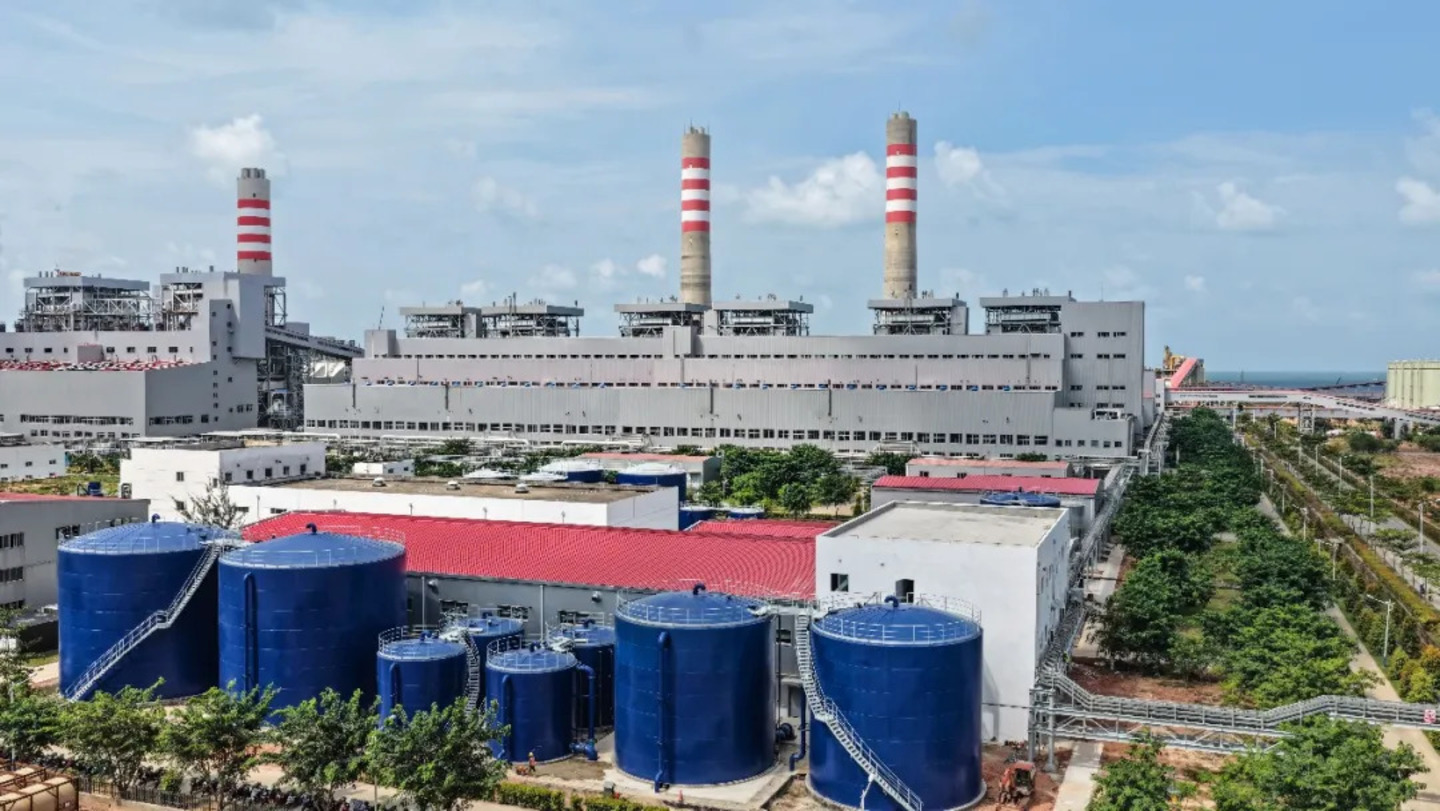
Unlocking Potential Through Consumption Reduction, Turning Every Drop of Water into Significant Savings
As the saying goes, “Those who live by the mountains benefit from the mountains, and those who live by the sea benefit from the sea.” The power plant, however, places greater emphasis on strengthening its “internal capabilities,” ensuring that green value creation is embedded in every stage of the production process: outside the plant, blue waves ripple across the sea; inside the plant, every aspect of the “water” account is calculated clearly and carefully.
In the water treatment area of the chemical workshop, inspection personnel move back and forth, keeping a close eye on the operating status of the heating network return-water system and leaving no detail unchecked.。
Previously, the chemical workshop independently designed and modified the heating network return-water system by adding an inlet main valve and a blowdown valve to the return-water main pipe of each group of alumina evaporation and digestion systems in Phases I and II, before entering the three-compartment box. This enabled flexible operation and grouped blowdown, reducing external water discharge losses, heat losses, and demineralized water consumption, while simultaneously lowering comprehensive water consumption for power generation, standard coal consumption per unit of electricity generated and supplied, auxiliary power consumption rate, and chemical consumption.
“Water is the lifeblood of a power plant; not a single drop should be wasted,” said a power plant operations manager.
Laboratory tests showed that all indicators of the treated discharge water from the power plant met the requirements for use in the alumina raw water tank. As a result, a DN250-diameter transfer pipeline was installed—the water that would originally have “flowed away” now turns back through the new pipeline and returns to the alumina raw water tank for recycling and reuse, turning waste into a resource and saving hundreds of thousands of tonnes of raw water each year.
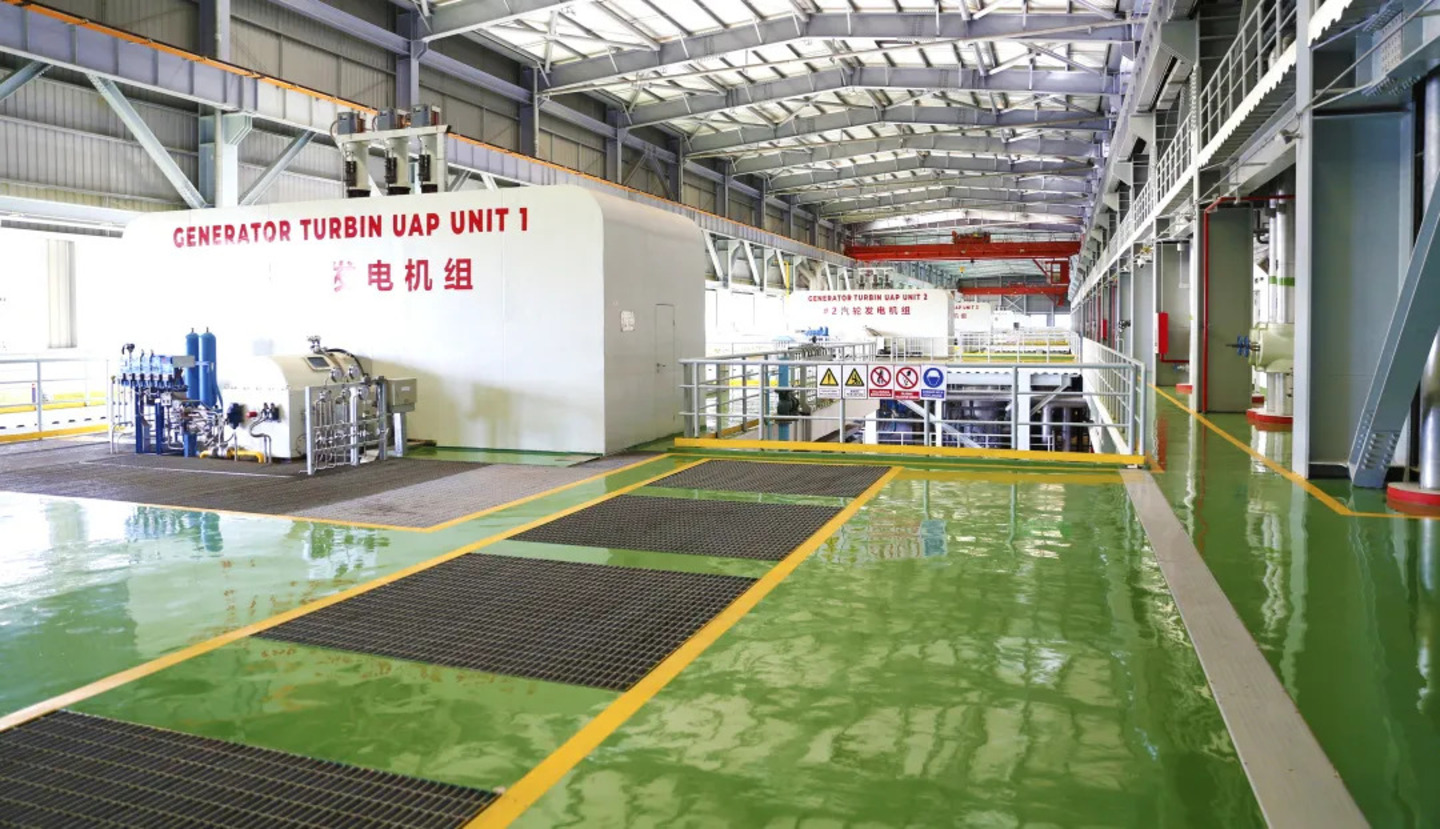
Refined Management and Control, Firmly Safeguarding the Bottom Line of Benefits
Green value creation depends on long-term effectiveness and perseverance. The power plant applies refined management and control to every piece of equipment and every inspection: teams scrutinize the figures displayed on the central control screens with meticulous attention, while every abnormality recorded in the logs is rectified and closed out one by one. Each production team strictly implements standardized operating procedures, optimizes operating conditions in a coordinated manner, precisely controls operating parameters, and minimizes equipment energy consumption and resource losses to the greatest extent possible.
“Empty talk gets things nowhere; practical action drives enterprise development.” In the power plant’s view, green development is the bottom line, and safeguarding that bottom line means safeguarding the enterprise’s greatest benefits. Leading employees take the initiative in tackling challenges and shouldering responsibilities; outstanding teams work collaboratively and pursue excellence; and everyone integrates green practices, energy conservation, and benefit creation into every moment of their work. On one occasion, environmental protection equipment suddenly malfunctioned, and the maintenance team immediately responded to the call and worked continuously for more than ten hours. Under the scorching sun, their work clothes were soaked with sweat, yet they smiled and said, “Every minute earlier that the equipment resumes operation means one less minute of loss for the company.” Such moments are the truest reflection of the principle that practical action drives enterprise development.
From technical upgrades and innovation to consumption reduction and efficiency improvement, and then to refined management and control—this “combination punch” delivers tangible results, with every move implemented down to the finest details.
More valuable than the benefits themselves is the employees’ spirit of “careful calculation, bold thinking, and decisive action”: everyone knows how to calculate the “benefit account,” everyone dares to tackle “tough challenges,” and an atmosphere of learning from, catching up with, and surpassing one another is thriving. The company’s employees and management have internalized the concept of green development and translated it into action, starting with saving every kilowatt-hour of electricity, every drop of water, and every resource, and pooling these small actions into a powerful force for all employees to jointly build a green enterprise.
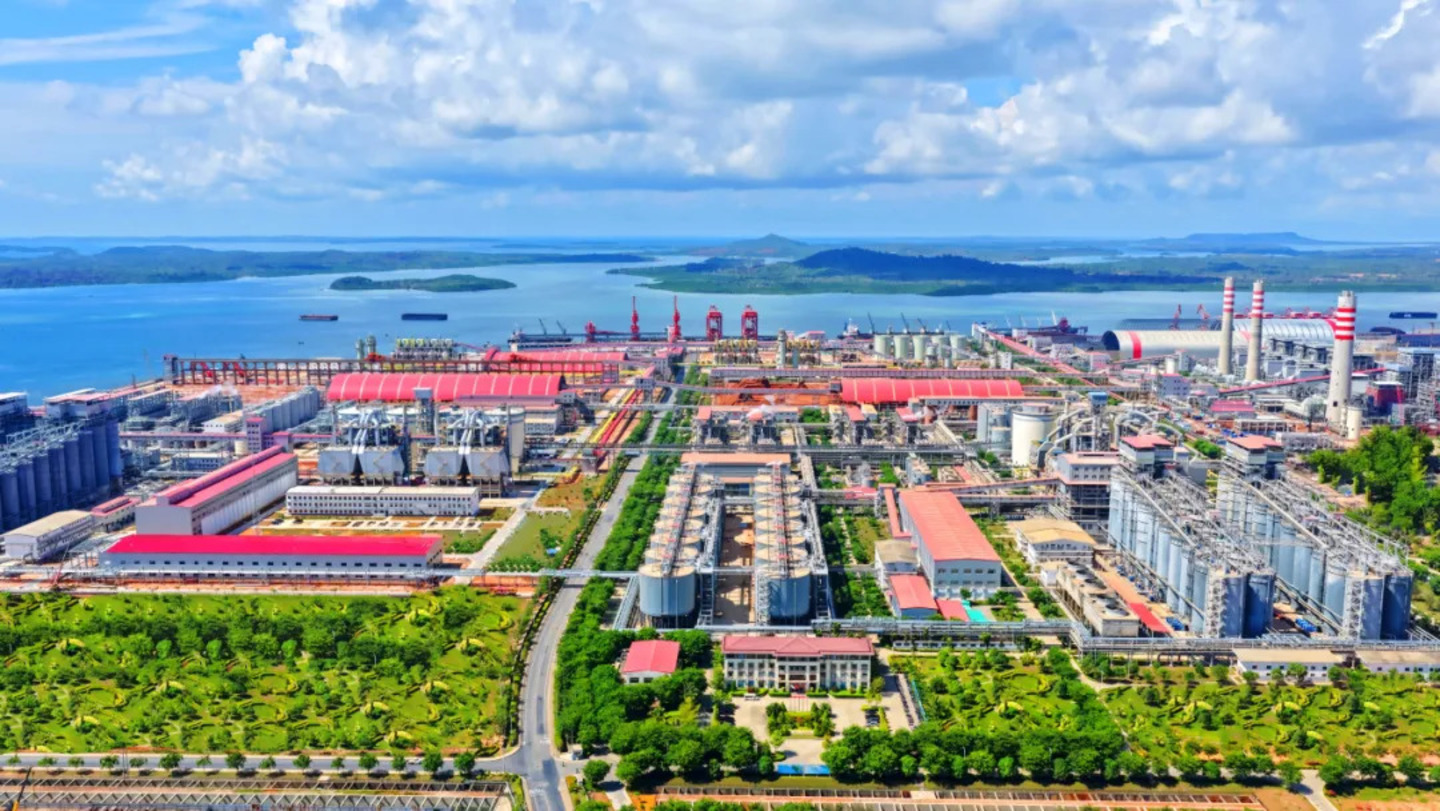
Through meticulous efforts, we accumulate momentum for long-term development. Looking ahead, the power plant will continue to consolidate its foundation for development through practical action and empower quality improvement and upgrading through innovation breakthroughs, allowing green momentum to flourish continuously on this tropical island and contributing greater “green strength” to high-quality development.




 Address:Kawasan Ekonomi Khusus (KEK) Galang Batang, Kampung Galang Batang,Desa Gunung Kijang RT 006 RW 003, Kecamatan Gunung Kijang,Kabupaten Bintan, Provinsi Kepulauan Riau, Indonesia
 Phone:
 E-mail:nslyynxmb@nanshan.com.cn